Reseña de gres Ciroa: ¿Calidad premium o plástico disfrazado?
La calidad varía enormemente
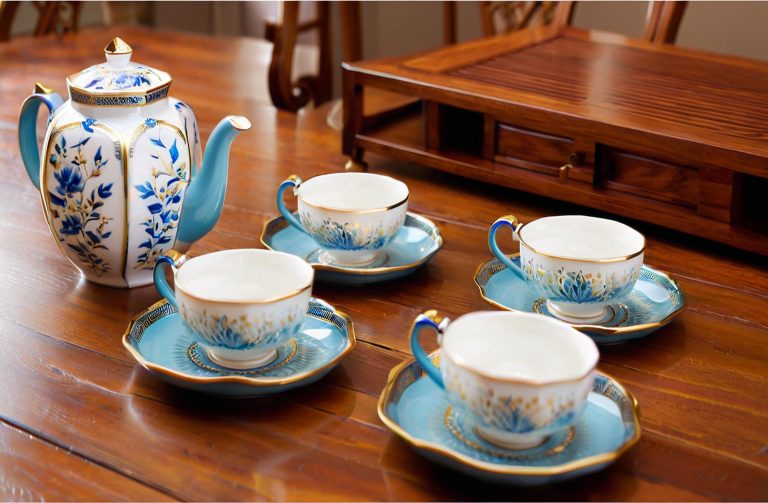
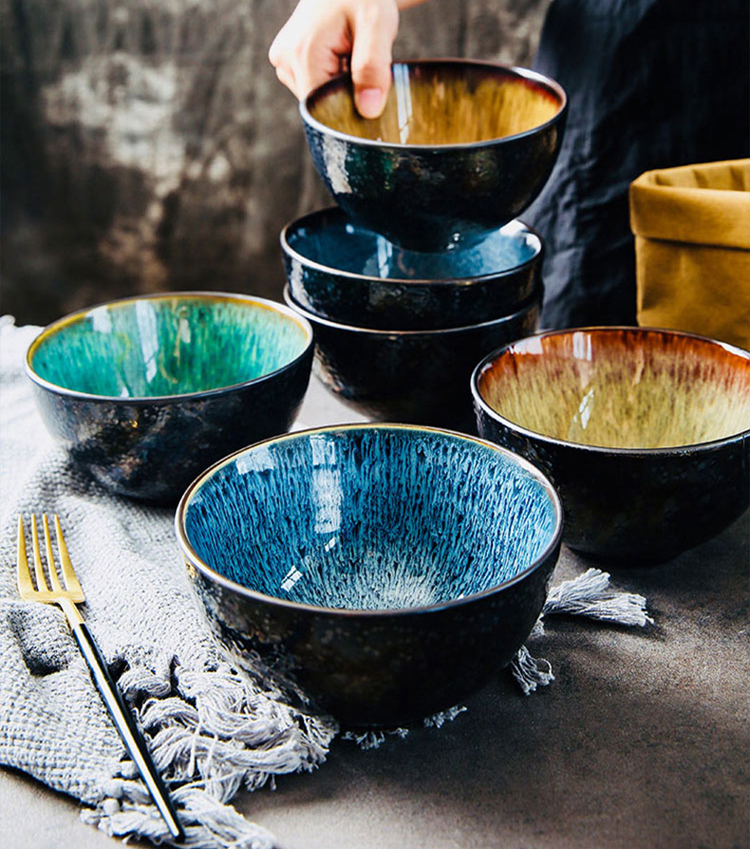
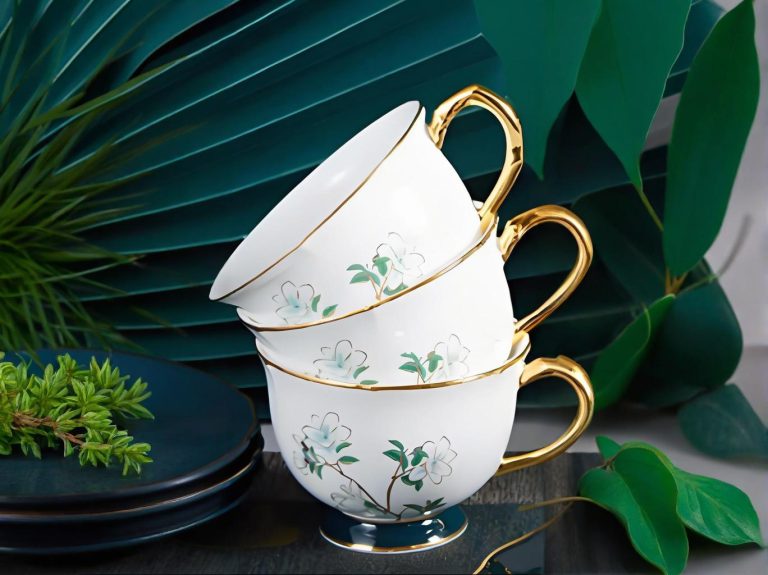
El gres está en todas partes ahora mismo. ¿Ese acabado mate y vibra vintage? Dominando Amazon y eBay.
Las ventas globales de vajilla de cerámica saltaron un 15% en 2025. Ciroa aprovechó esta ola intensamente. ¿Su secreto? Precios accesibles ($20-40 por juego) y apariencias dignas de Instagram.
Los compradores post-pandemia anhelan esa «estética de granja». Combate el agotamiento urbano. Los informes de Statista muestran que la demanda estadounidense de vajilla minimalista se disparó un 30%.
De esto nadie habla La mayoría del «gres premium» proviene de fábricas chinas. Los precios bajos significan consistencia y durabilidad cuestionables.
Ciroa luce impresionante. ¿Pero la seguridad para microondas y resistencia al calor? Puntos ciegos importantes. El valor a largo plazo importa más que la emoción del desempaque.
Lo aman o lo odian
Los juegos de 12 piezas de Ciroa obtienen 4.4 estrellas en Amazon. Más de 5,000 reseñas. Las tasas de reventa en eBay también son altas.
Pero profundiza en los comentarios. Las cosas se ponen picantes. El 80% elogia la apariencia. El 20% critica la practicidad.
✅ Lo que la gente ama
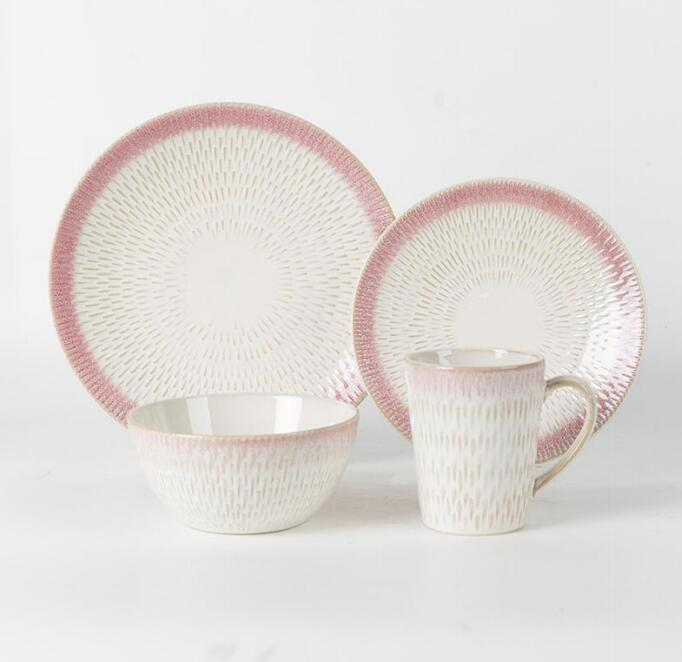
- Esa textura mate «Estos platos se sienten hechos a mano. El mate crema combina perfectamente con mi cocina nórdica. Instagram se volvió loco». — Comprador de NYC
- Peso sólido «Mucho más pesados que las cosas de IKEA. Los invitados piensan que son piezas de arte». — Cliente de Chicago
- Estilo versátil «Funciona para salteado chino y BBQ occidental. El color favorece todo». — Usuario asiático-americano
❌ Factores decisivos
- Desastres en microondas «Lo usé dos veces. Aparecieron grietas en los bordes. Servicio al cliente dijo ‘no recomendado para microondas’. ¡Trampa total!» — Principal reseña negativa
- Daño por lavavajillas «Diez lavadas en la rejilla superior. El mate se volvió brillante. El color se desvaneció 15%. ‘Durabilidad de por vida’ ni hablar». — Mamá de Texas
- Frágil como vidrio «Chocó con el mostrador al sacarlo del refrigerador. Se hizo añicos al instante. Tanto por ‘gres resistente'». — Retroalimentación de devolución de eBay
Conclusión Los amantes de la estética se regocijan. La gente práctica cambia a Corelle.
Verdad sobre materiales y fabricación
Ciroa usa gres de alta cocción. Arcilla de caolín más feldespato. Cocido sobre 1200°C. Crea una estructura densa y no porosa.
¿Teóricamente? Mejor resistencia al choque térmico que la cerámica regular.
Los listados de Amazon promocionan «esmalte sin plomo de grado alimenticio FDA». Las pruebas independientes cuentan una historia diferente. El gres económico muestra filtración de plomo de 0.5-2ppm. Por debajo de los límites de la UE, pero cuidado con alimentos ácidos.
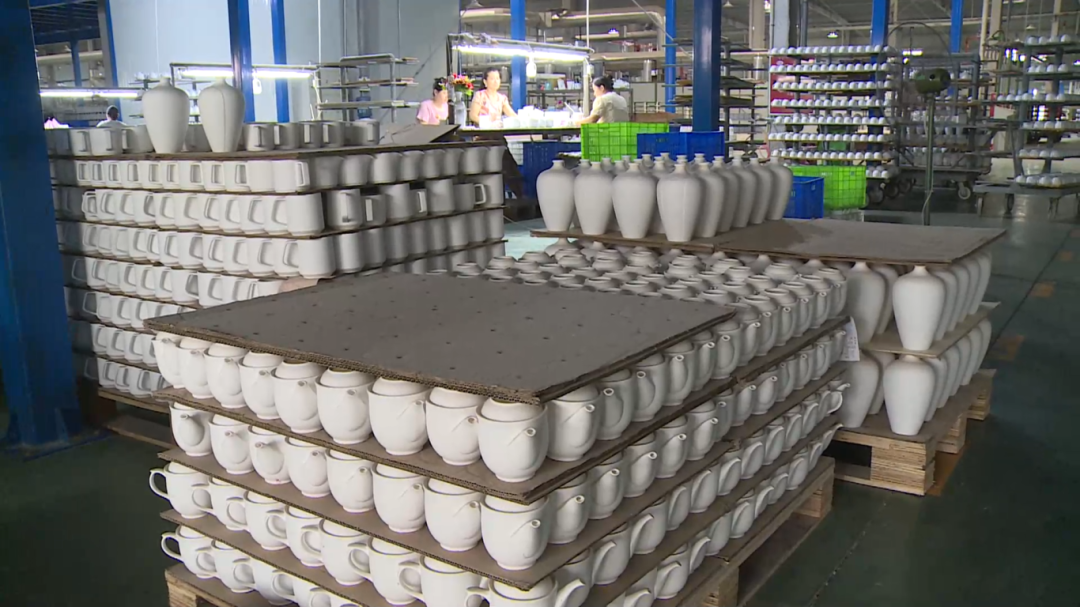
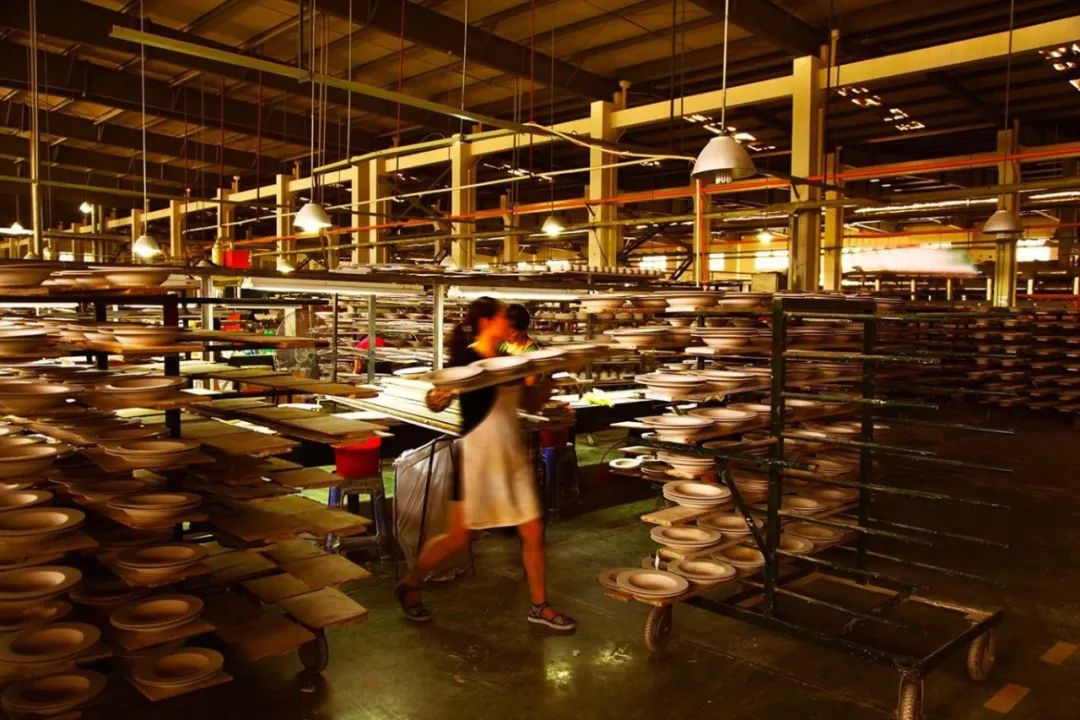
Realidad de fabricación Las fábricas de Dongguan producen estos en masa. Esmalte mate rociado. ¿Costo de producción? $3-5 por pieza (mayorista de Alibaba). Compara eso con vajilla japonesa Arita a $15 por pieza hecha a mano.
Esto explica el precio accesible. También explica los problemas. El bajo esmalte se desgasta rápido. Las bases rugosas rayan las encimeras.
Desglose de costos Ciroa disfruta márgenes de beneficio del 60%. La escala vence a la calidad. La cocción desigual causa «puntos blandos» para algunos compradores.
¿Quién debería comprar?
Perfecto para
- Obsesivos de la estética
- Creadores de redes sociales
- Familias jóvenes que reciben ocasionalmente
- Presupuesto menor a $200
Evítalo si
- Usas el microondas para todo
- Ejecutas ciclos pesados de lavavajillas
- Tienes niños pequeños
Mejores alternativas Porcelana Villeroy & Boch o vidrio templado Duralex.
Consejos de cuidado para evitar desastres
- Lava a mano con esponjas suaves
- Microondas menos de 2 minutos, solo calor bajo
- Apila con tela entre platos
- Compra a través de Amazon Prime para devoluciones fáciles
- Evita falsificaciones de eBay
¿Qué sigue?
Para 2026, el gres cambia hacia bio-cerámicas sostenibles. ¿Ciroa mejora la durabilidad de su esmalte? Potencial de caballo oscuro. ¿De lo contrario? Las cerámicas orgánicas Emile Henry toman el control.
Puntuación final: 7.5/10 — Luce increíble. No construido para uso intensivo.
Si tiene alguna pregunta o necesita servicios de vajilla personalizados de Gaochun Ceramics, por favor contáctenos a través de nuestro correo electrónico: [email protected]. ¡Recibirá la mejor atención!