Reseña de la vajilla vintage Franciscan Desert Rose: Belleza, riesgos de plomo y diferencias de producción
Realidad del mercado: ¿Tesoro atemporal o reliquia pasada de moda?
Franciscan Desert Rose es vajilla estadounidense icónica. Lanzada en 1941 por Gladding, McBean & Co. en California. Engalanó la Casa Blanca de Kennedy. Para 1964, habían fabricado 60 millones de piezas.
¿El aspecto característico? Esmalte cremoso. Rosas rosadas en relieve. Hojas verde oliva. Ramas marrones a lo largo de los bordes. Pura vibra de cabaña californiana.
Pero hoy, este patrón enfrenta contradicciones reales
- Nostalgia versus gusto moderno Alguna vez fue el estándar de oro para «vajilla respetable». ¿Ahora? El minimalismo nórdico domina. El relieve floral grita «vintage» para algunos.
- Valor de colección versus inundación del mercado La producción terminó oficialmente en 2013. Sin embargo, eBay desborda con artículos de liquidación y falsificaciones. Los precios varían enormemente.
- Hecho en EE.UU. versus producción en el extranjero Después de 1984, la fabricación se mudó a Inglaterra, luego a Asia. Los coleccionistas antiguos dicen que la caída de calidad es obvia.
- Seguridad versus encanto vintage Algunas piezas tempranas contienen plomo en el esmalte. Especialmente artículos anteriores a los años 80. No ideal para niños.
La mayoría de las reseñas se enfocan solo en historia y nostalgia. Pocos hacen las preguntas reales: ¿Qué tan diferentes son las distintas épocas y orígenes? ¿Qué versiones funcionan para uso diario? ¿Cuáles pertenecen en estantes de exhibición?
Opiniones de usuarios: Alto en emoción, bajo en conciencia de riesgos
Las reseñas en línea provienen de tres grupos
- Familias con piezas heredadas («los platos de la abuela»)
- Nuevos coleccionistas explorando mercados de segunda mano
- Recién llegados encantados por el aspecto floral vintage
Veredicto general: Valor emocional altísimo, experiencia práctica varía
Esto es lo que la gente realmente dice
- Valor sentimental
- Muchos heredaron juegos completos de sus abuelos. «Usarlo se siente como comer con la abuela otra vez». Esa conexión emocional es el mayor activo de Desert Rose.
- Algunos mencionan que las abuelas los usaron diariamente durante décadas. «Solo se rompe si lo dejas caer».
- Atractivo visual
- Perfecto para té de la tarde y mesas festivas. Las flores rosadas y la base cremosa fotografían hermosamente.
- En foros, la gente pregunta cómo mezclarlo con platos lisos. Se ha convertido en una pieza de declaración, no vajilla cotidiana.
- Experiencia de compra en línea
- Las reseñas de Etsy para «Vintage Franciscan Desert Rose (Made in USA)» son abrumadoramente positivas.
- Los compradores elogian descripciones precisas y embalaje cuidadoso. «Esperaba platos rotos. Todo llegó perfecto».
- Los vendedores de calidad notan: sin astillas, sin grietas, sin craqueladuras. Listo para la mesa.
✅ Lo que más aman los usuarios
- Detalle en relieve y sensación pintada a mano
- Las piezas antiguas hechas en Estados Unidos tienen profundidad real. Flores, hojas y ramas sobresalen. «Puedes sentir los pétalos con tus dedos».
- Mucho más táctil que porcelana impresa.
- Durabilidad diaria (versiones hechas en Estados Unidos)
- Las familias reportan décadas de uso diario. Sobrevive ciclos normales de lavavajillas. «Solo se rompe cuando se deja caer».
- No es un coleccionable frágil. Un plato de trabajo real.
- Iniciador de conversaciones
- Los invitados lo reconocen inmediatamente. «¡Mi abuela tenía esto!» Genera conexión.
- En cocinas estilo cabaña, es básicamente decoración. Una declaración de estilo de vida.
❌ Factores decisivos que necesitas conocer
- Enorme brecha de calidad entre orígenes
- Después de 1984, la producción dejó Estados Unidos. El relieve se volvió más superficial. Los bordes se hicieron más planos.
- Las fotos lado a lado lo muestran claramente. Las versiones americanas se sienten esculpidas. Las versiones posteriores parecen platos impresos regulares.
- Los coleccionistas advierten: ¿Quieres ese aspecto vintage impresionante? Busca «Made in U.S.A.» en el fondo.
- Contenido de plomo en lotes tempranos
- Comentarios en blogs mencionan que las piezas anteriores a los años 80 pueden contener plomo. Los expertos aconsejan no usarlas diariamente con niños pequeños.
- Esto era común para esmaltes coloridos en esa época. Especialmente rosas y verdes.
- Si no puedes hacer pruebas de plomo
- No uses como platos principales para niños menores de 6 años
- Evita almacenar alimentos ácidos (jugo de limón, salsa de tomate, vinagre)
- Patrón llamativo, difícil de combinar
- Los arreglos completos de mesa pueden parecer abrumadores. Choca fuertemente con decoración minimalista.
- Los foros de diseño recomiendan: Mezcla algunas piezas Desert Rose con platos blancos lisos. No te entregues completamente. ¿De lo contrario? Se ve anticuado y recargado.
Análisis profundo: Materiales, artesanía y diferencias de época
1. Materiales y construcción
- Cuerpo Desert Rose temprano es loza gruesa. No porcelana bone china. Pesada y duradera. Excelente para uso diario.
- Técnica de superficie
- Relieve prensado en molde para rosas y ramas
- Colores pintados a mano
- Esmalte transparente sobre todo. Acabado suave con textura suave.
- Bordes ondulados de «enredadera». El detalle característico.
Producción estadounidense (1941–1984)
- Relieve profundo y nítido
- Bordes más llenos y redondeados
- Transiciones de color naturales en los pétalos
- Se siente sustancial y cálido
Producción inglesa y posterior
- Moldes simplificados. Bordes más planos.
- Relieve más superficial
- Los colores lucen más uniformes de fábrica
- Pierde ese encanto hecho a mano
2. Factores de precio
¿Qué impulsa los precios de Desert Rose hoy?
- Origen y época
- Los juegos hechos en Estados Unidos tienen el precio más alto. ¿Juegos completos en caja? Aún más.
- Las versiones inglesas y posteriores son económicas. Nivel de «vajilla cotidiana agradable».
- Condición
- ¿Sin astillas, grietas o craqueladuras? Etiquetado como «casi mint». Tiene un premio del 30–50%.
- ¿Desgaste leve? Vendido como «vintage usado suavemente». Bien para usuarios diarios.
- Rareza
- Los platos y platillos estándar son abundantes. Precios estables.
- Piezas especiales (fuentes, cafeteras, mantequilleras) cuestan significativamente más. Territorio de coleccionistas.
Comparado con porcelana bone china de alta gama o cerámica de diseñador, Desert Rose es un punto de entrada accesible. Vintage rico en historia a precios razonables. Solo acepta que es de segunda mano.
Veredicto final: Quién debería comprar y cómo evitar errores
1. Perfecto para
- Guardianes de recuerdos
- ¿Lo tuviste al crecer? ¿Quieres completar o mejorar tu juego? Busca piezas hechas en Estados Unidos.
- Amantes de la estética vintage
- ¿Amas cottage-core, té de la tarde o arreglos de mesa curados? Desert Rose es un acento impresionante.
- Coleccionistas casuales
- ¿Interesado en la historia de la cerámica estadounidense? Esta es una pieza inicial esencial.
2. No es adecuado para
- Minimalistas
- ¿Cocina toda blanca? ¿Paleta gris? Estos platos se sentirán dolorosamente fuera de lugar.
- Familias con niños pequeños (sin prueba de plomo)
- Piezas anteriores a los años 80 más niños pequeños equivale a riesgo potencial. La vajilla moderna certificada es más segura.
- Necesidades de trabajo pesado
- ¿Apilamiento pesado, abuso diario en lavavajillas, maratones de microondas? Consigue porcelana reforzada en su lugar.
3. Cómo comprar inteligentemente
- Revisa el sello posterior
- Busca marcas claras de «Made in U.S.A.». Evita sellos borrosos o faltantes.
- Las versiones inglesas funcionan como rellenos. Solo baja tus expectativas.
- Examina minuciosamente las fotos de condición
- Observa: astillas, grietas, craqueladuras, marcas de cuchillos
- Elige vendedores con fotos detalladas y reseñas sólidas
- Planifica tu estilo
- No compres un juego completo combinado como tu única vajilla
- Mezcla con platos blancos, bandejas de madera, servilletas de lino, cristalería neutra
- Desert Rose funciona mejor como acento, no como el espectáculo completo
4. Consejos de cuidado
- Limpieza
- Lava a mano con esponja suave. Evita estropajos de metal y detergentes fuertes.
- El lavavajillas está bien en ciclos suaves. No sobrecargues.
- Calentamiento
- Composición de esmalte desconocida. Evita uso frecuente de microondas u horno.
- Mejor para alimentos a temperatura ambiente o ligeramente tibios.
- Almacenamiento
- Coloca toallas de papel entre platos apilados
- Evita luz solar directa prolongada para prevenir decoloración
Perspectiva futura
- Renacimiento vintage
- El estilo «grandmillennial» está en tendencia. La vajilla de segunda mano está de moda. Desert Rose está siendo redescubierto.
- Reutilización creativa
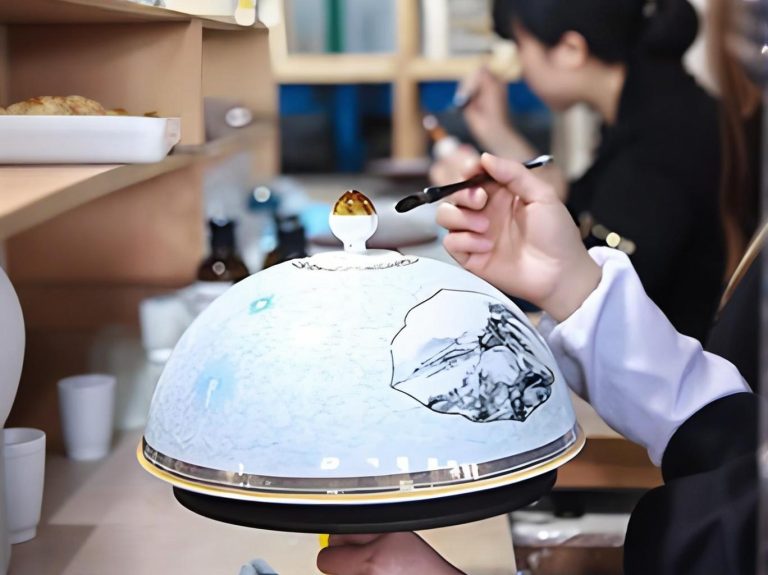
- Los estudios transforman platos viejos en bandejas para joyas, soportes para pasteles y relojes. El atractivo del patrón perdura.
- Control de realidad
- ¿Renacimiento de producción masiva? Poco probable. ¿Pero como memoria generacional? El valor emocional y de colección permanece fuerte.
- Espera demanda de nicho estable. No popularidad generalizada.
Conclusión ¿Quieres historia, sentimiento y vibraciones vintage impresionantes? ¿Dispuesto a investigar sobre orígenes y épocas? Franciscan Desert Rose cumple. Pero si necesitas platos diarios ligeros, sin plomo y sin complicaciones, sigue buscando.
Si tiene alguna pregunta o necesita servicios de vajilla personalizados de Gaochun Ceramics, por favor contáctenos a través de nuestro correo electrónico: [email protected]. ¡Recibirá la mejor atención!