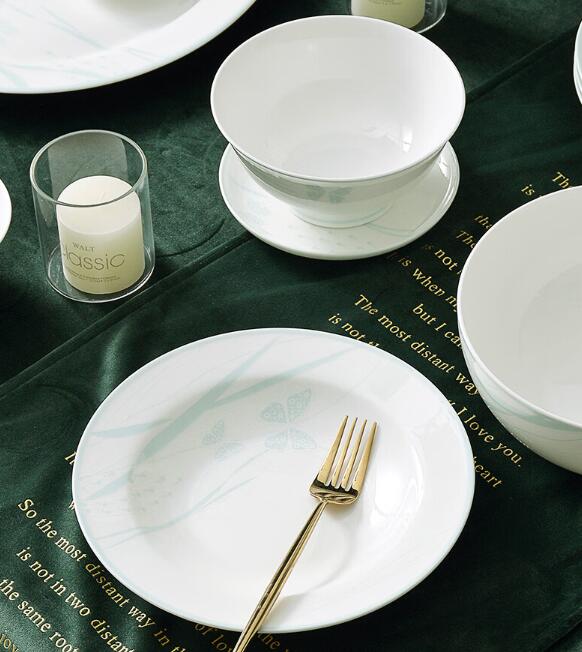
Reseña de vajilla Portmeirion: ¿Vale la pena este clásico británico?
La verdadera pregunta que nadie está haciendo
Portmeirion es un nombre importante en cerámica británica. Sus líneas Botanic Garden y Sophie Conran mezclan artesanía tradicional con vida moderna.
¿El discurso de marketing? «Del desayuno a la cena de gala». La mayoría de las reseñas exaltan premios y estatus de «clásico moderno».
Pero aquí está el conflicto que omiten: ¿El precio de $170-228 realmente coincide con la durabilidad?
Navega por comentarios de Amazon y eBay. Los usuarios se obsesionan con «valor de inversión» versus «¿se romperá?»
Estas piezas manejan rutinas de congelador a horno a mesa. Sobreviven el caos familiar diario. Pero si quieres algo irrompible, recuerda: esta es porcelana fina, no plástico industrial.
Lo que realmente dicen los usuarios
Investigué en el sitio de Portmeirion, Straight Dope y foros de Houzz. Cientos de reseñas de alto compromiso. Las calificaciones rondan 4.8-5 estrellas.
Botanic Garden recibe el mayor amor. ¿La vibra? «Impacto visual + sorpresa práctica».
Cruzando referencias de Amazon y eBay, los usuarios los llaman «mejoras instantáneas de vida». Pero algunos los tratan más como coleccionables que como vajilla diaria.
Lo bueno
- La belleza imperfecta vende. Un usuario escribió «Amo las formas ‘imperfectas’ de los tazones. Se mezclan perfectamente con otras cerámicas blancas». Las curvas de Sophie Conran hacen lucir artística cualquier mesa. (Sitio oficial, 2024)
- Mejora del ánimo, garantizada. Las flores de Botanic Garden «me hacen sonreír en cada uso». Una mamá compartió «Después de que mi hija visitó, le regalé un juego para su cumpleaños». (Sitio oficial, 2023)
- Increíblemente versátil. Desde «cena del martes» hasta «fiesta de té primaveral». Los usuarios aman la flexibilidad de congelador a horno. (Hilo de Houzz)
Lo no tan bueno
- La ansiedad por el precio es real. Un usuario del foro preguntó «¿Inversión o lujo? Mi ex rompió mi frutero». Las familias de clase media luchan con esto. ¿Duradero? Sí. ¿A prueba de roturas? No. (Straight Dope, publicación reciente)
- Los patrones aleatorios molestan a los perfeccionistas. El juego de 12 piezas tiene mezclas florales aleatorias. Podría no coincidir con la foto del producto. (Notas oficiales del producto)
- Más ligero de lo esperado. Más delgado que marcas robustas como Butler’s Pantry. Apila con cuidado. Algunos usuarios extrañan esa sensación «sólida». (Retroalimentación de Houzz)
Desglose de materiales y realidad de costos
Portmeirion usa dos materiales principales
- Porcelana (Sophie Conran) — Más suave, maneja todas las temperaturas. Apta para lavavajillas, microondas, congelador, horno.
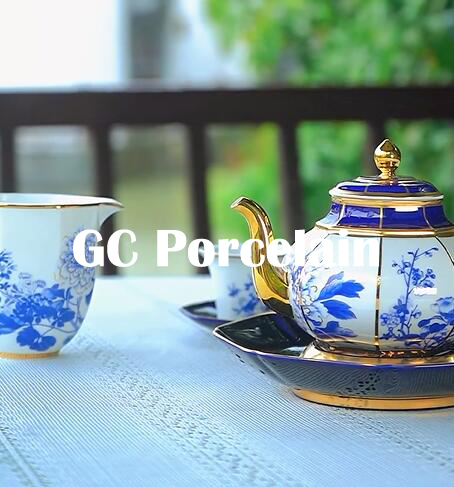
- Loza fina (Botanic Garden) — Hecha a mano en Stoke-on-Trent, Inglaterra. Esmalte brillante que perdura.
En cuanto al diseño, las flores pintadas a mano y bordes orgánicos provienen de la filosofía de «vida moderna» de Sophie Conran. Estos sobreviven ciclos de alto calor. Sin cristal de plomo tampoco: la seguridad obtiene altas calificaciones.
Hablemos de dinero
Un juego de 12 piezas (4 platos de cena, 4 platos de ensalada, 4 tazones) tiene precio de lista de $228. Las ofertas frecuentemente lo reducen 20-25% a alrededor de $171. Eso es aproximadamente $14 por pieza.
Mucho más caro que la imitación «Garden Bloom» de Mikasa (30% más barato, según charlas de foros). Pero el premio de marca de Portmeirion + retorno de longevidad se muestra en usuarios todavía «obsesionados» después de 4 años.
Costos ocultos Los accesorios de vidrio (como juegos de copas de vino de 16 piezas) necesitan lavado a mano. La colección completa fácilmente supera los $500.
| Serie | Material | Ventaja de durabilidad | Costo (12 pzs) | Mejor para |
|---|---|---|---|---|
| Sophie Conran | Porcelana | Curvas orgánicas, apta para todas las temperaturas | $171 (oferta) | Uso diario + pequeñas reuniones |
| Botanic Garden | Loza fina | Florales de fabricación británica, impacto visual | $200+ | Colecciones + fiestas de té |
Veredicto final: ¿Quién debería comprar?
Perfecto para
- Familias de clase media que buscan elegancia británica
- Personas que regalan (inauguraciones de casa, bodas)
- Personas mayores de 50 cansadas de platos desajustados
- Botanic Garden se adapta a amantes de lo floral
- Sophie Conran se ajusta a minimalistas
Comienza con Juego Botanic Garden de 12 piezas durante ofertas. Mejor valor por tu dinero.
Evita si
- Presupuesto menor a $100 por juego
- Hogar con niños torpes
- Solo quieres barato y resistente, consigue Mikasa en su lugar
Consejos profesionales
- Compra en el sitio oficial para descuentos. Evita eBay de segunda mano: riesgo de daño.
- Solo rejilla superior del lavavajillas. Sin utensilios de metal en diseños pintados a mano.
- No hornees a calor alto durante horas.
- Almacena con divisores de espuma.

Predicción para 2025 Las formas orgánicas más fabricación británica sostenible dominarán mercados de rango medio-premium. Portmeirion podría expandir opciones «blancas mezcla-y-combinación». El valor a largo plazo luce sólido. Botanic Garden podría convertirse en clásico de nivel reliquia familiar.
Si tiene alguna duda o necesita un servicio de vajilla personalizada, por favor contáctenos a través de nuestro correo electrónico: info@gcporcelain.com. ¡Recibirá la mejor atención!