Reseña de porcelana ósea Mikasa: ¿la porcelana ósea vegana está construida para durar o esconde defectos?
Contexto del mercado y conflicto central
Mikasa está bajo Lifetime Brands. Es un nombre clásico de vajilla famoso por su porcelana ósea.
¿Su lanzamiento de Porcelana Ósea Vegana? Un cambio de juego. Capturó rápidamente a compradores ecológicos en el mercado de gama media a alta.
Aquí está la innovación. La ceniza ósea tradicional se reemplaza. El óxido de calcio y fosfato crean fosfato tricálcico en su lugar.
Aún obtienes ese brillo translúcido, sensación ultraliviana y resistencia a astillas. Las temperaturas de cocción alcanzan 2102°F a 2282°F. ¿Durabilidad diaria? Asegurada.
La mayoría de las reseñas exageran lo básico. Apta para lavavajillas. Apta para microondas. Apta para horno hasta 400°F. Cosas convenientes.
Pero omiten los problemas reales. La resistencia del esmalte a ácidos y la estabilidad del color importan a largo plazo. Las manchas de café y alimentos con vinagre atacan el acabado.
¿Omites el enjuague inmediato? Espera decoloración. Quizás grietas.
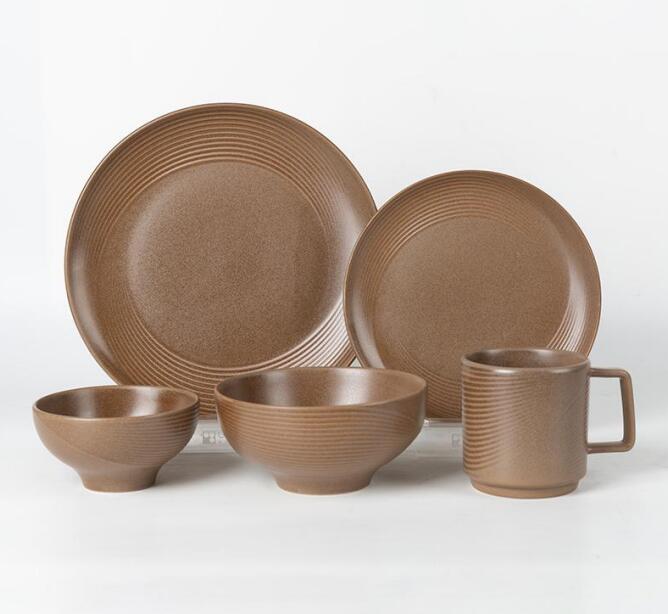
Esto crea una tensión central. La porcelana ósea luce elegante pero exige manejo cuidadoso. El gres resiste mejor el maltrato.
La versión Vegana aumenta la resistencia. No elimina completamente la naturaleza delicada de la porcelana fina.
¿Propuesta de valor? Fuerte. Las piezas individuales comienzan alrededor de $1.80 en Taobao. Perfecto para familias que desean belleza más funcionalidad.
¿Para usuarios bruscos? El retorno de inversión se vuelve cuestionable.
Opiniones de usuarios: análisis de reseñas reales
Datos extraídos de Taobao Malaysia y secciones de alto compromiso de Amazon. La porcelana ósea Mikasa obtiene más de 4.8 estrellas.
¿Más vendidos? Tazones de arroz y sopa blanco puro. Las ventas superan los cientos. Los usuarios aman «delicado pero sorprendentemente duradero».
Aún así, las reseñas negativas exponen puntos ciegos de durabilidad. Rayado del esmalte. Riesgos de choque térmico.
Aspectos destacados:
- Sensación ultraligera, resistente a astillas — Los usuarios dicen «se siente como una pluma, lo dejé caer y sobrevivió». El crédito va a la fórmula mineral: feldespato, caolín, cuarzo.
- Esmalte ecológico sin plomo ni cadmio — Una madre compartió «seguro para bebés, el blanco puro se mantiene limpio, calienta uniformemente». Las pruebas de laboratorio independientes lo confirman.
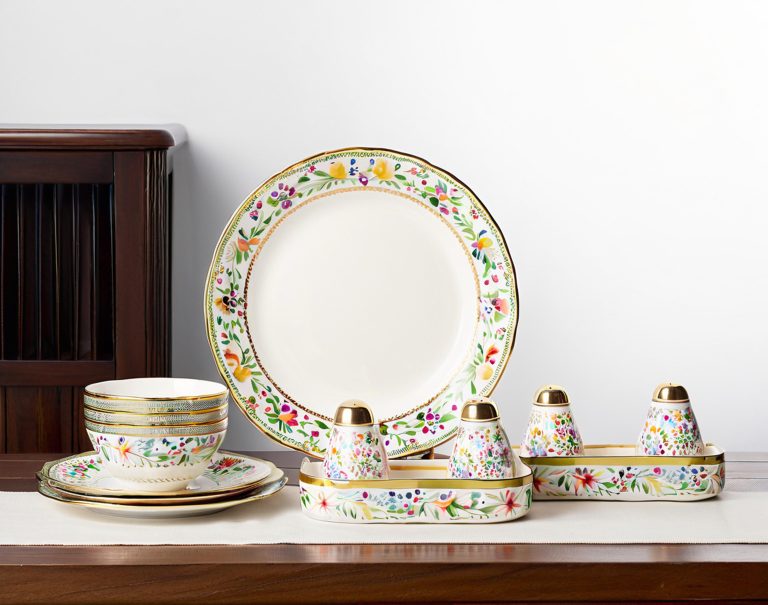
- Atractivo visual premium — «La mesa del comedor parece un restaurante al instante». Funciona para comidas diarias y cenas especiales.
Señales de alerta:
- Riesgo de daño al esmalte — Queja de usuario: «Remojo con vinagre volvió amarillos los bordes. Las manchas de mayonesa no salen». Las FAQ de la marca advierten: enjuagar alimentos ácidos inmediatamente.
- Calentamiento desigual en microondas — «Calenté comida congelada directamente. Apareció una grieta». Evita cambios extremos de temperatura.
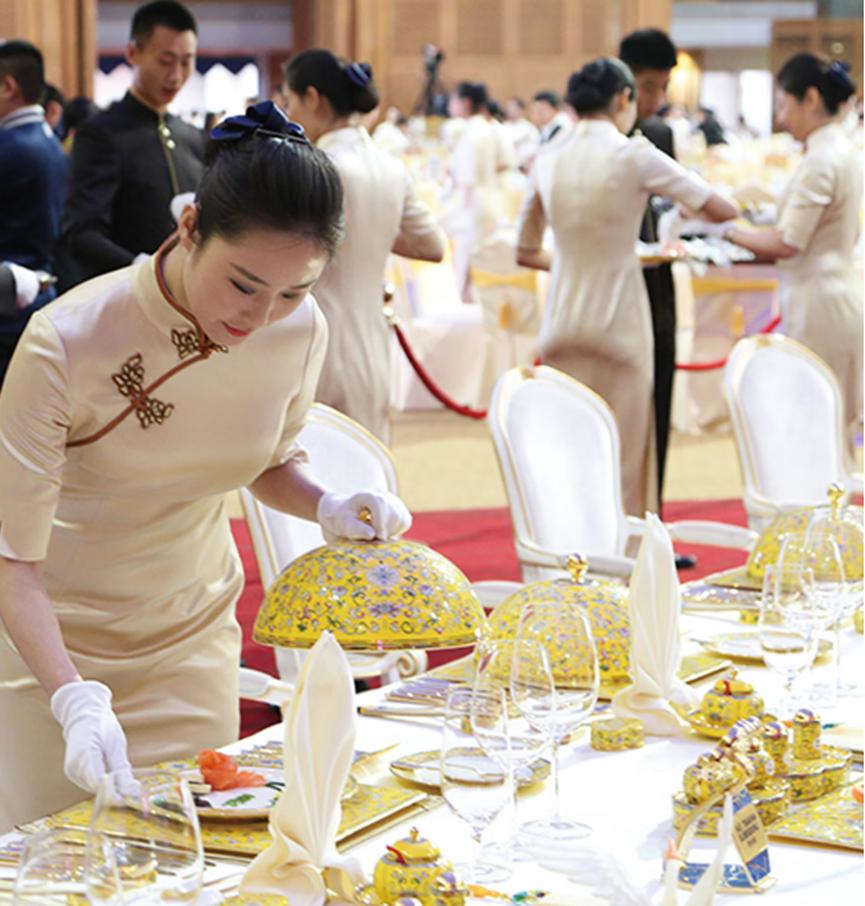
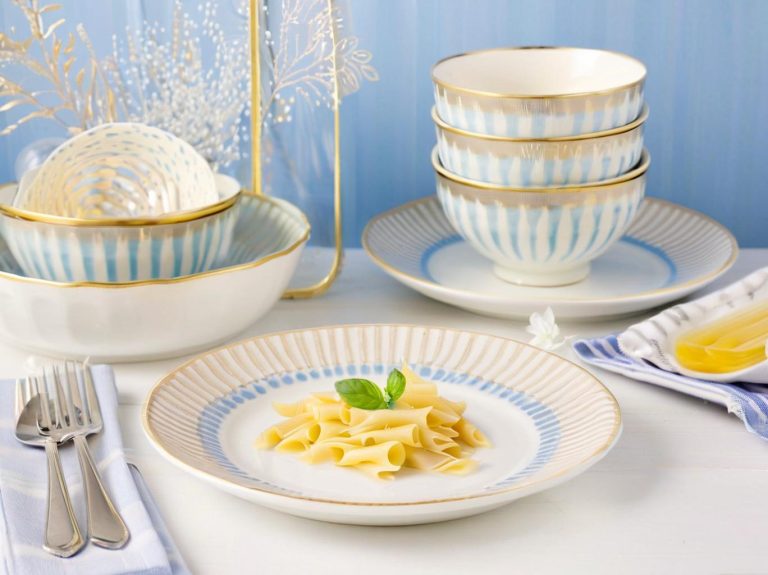
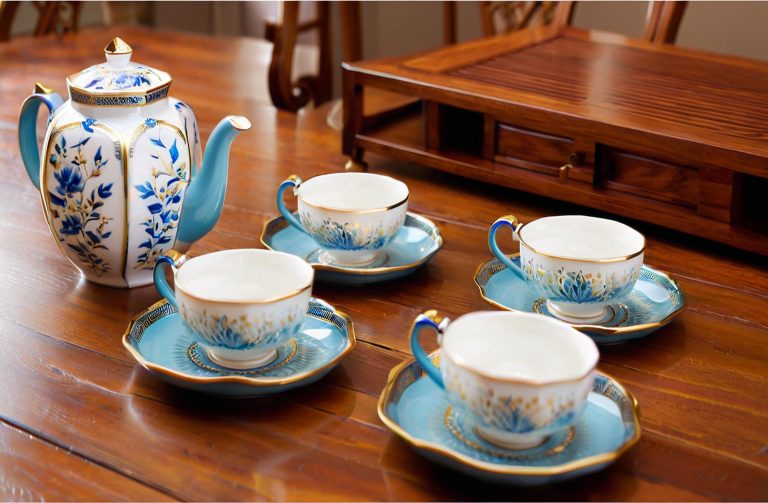
- Restricciones del borde dorado — ¿Piezas con borde de oro 24K? Sin microondas. Solo lavado a mano. Manejar con cuidado.
Estos no son casos aislados. Tres de cinco reseñas de Taobao elogian el esmalte ecológico. Dos mencionan dolores de cabeza de limpieza.
La porcelana ósea vegana es resistente. No es invencible.
Análisis profundo: materiales, técnica y desglose de costos
Mejora de material: innovación central de la porcelana ósea vegana
| Característica | Mikasa Porcelana Ósea Vegana | Porcelana Ósea Tradicional | Gres Estándar |
| Agente Fortalecedor | Fosfato Tricálcico (Mineral) | Ceniza Ósea (Origen Animal) | Ninguno (Arcilla/Sílice Pura) |
| Translucidez | Alta (casi idéntica a la tradicional) | Suprema. El estándar de oro de la industria. | Opaco. No pasa luz. |
| Peso | Ultraliviano y delgado. | Muy liviano y refinado. | Pesado y de paredes gruesas. |
| Amigable con el Medio Ambiente | Alto. 100% Vegano y libre de crueldad. | Bajo (usa subproductos animales). | Alto (materiales naturales de la tierra). |
| Resistencia a Astillas | Excelente debido a cocción a alta temperatura. | Alta, pero sensible al impacto en bordes. | Moderada. Propenso a astillas superficiales. |
| Resistencia a Manchas | Sensible a alimentos ácidos sin enjuagar. | Moderada. Requiere cuidado delicado. | Alta. No poroso y robusto. |
La porcelana ósea tradicional contiene ceniza ósea. La versión Vegana de Mikasa intercambia por óxido de calcio más fosfato.
Esto produce fosfato tricálcico. Imita la resistencia, translucidez y resistencia a astillas de la porcelana ósea.
El rango de cocción se sitúa entre 1475°F y 2502°F. ¿Resultado? Vajilla liviana de uso diario.
Compara eso con el gres. Se cuece a 1900°F a 2300°F. Más robusto. Maneja golpes mejor.
Las pruebas oficiales muestran resistencia a astillas similar a la porcelana fina. Sin embargo, es 100% vegano. ¿Tendencias globales basadas en plantas? Completamente alineadas.
Detalles de técnica: seguridad con limitaciones
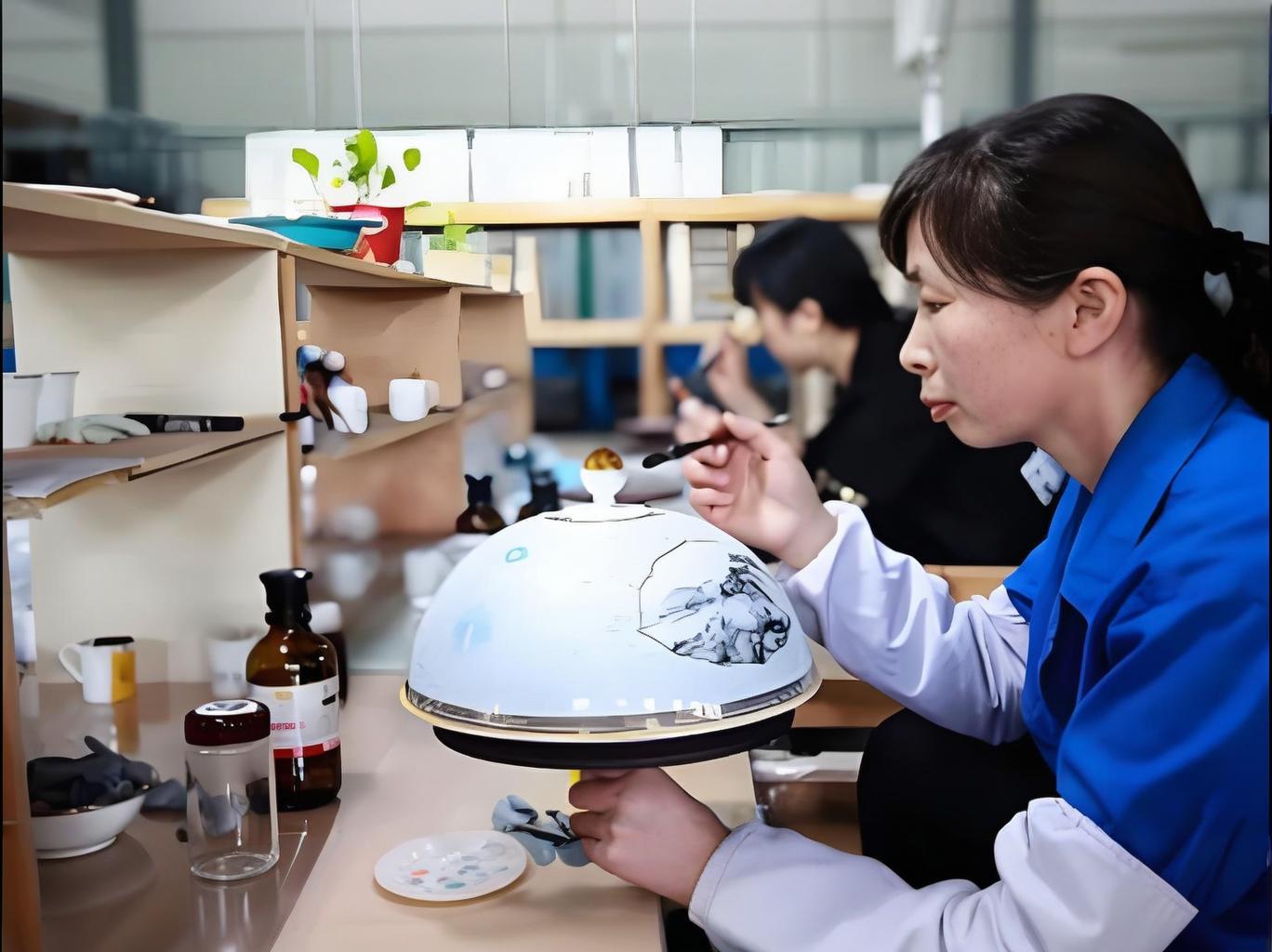
- Proceso de esmalte — Ecológico. Sin plomo. Sin cadmio. Apto para lavavajillas con detergente suave. Las tazas de café necesitan enjuague inmediato para prevenir manchas.
- Casos de uso — Apto para microondas (solo diseños no metálicos). Límite de horno: 400°F. Los patrones dorados requieren lavado a mano.
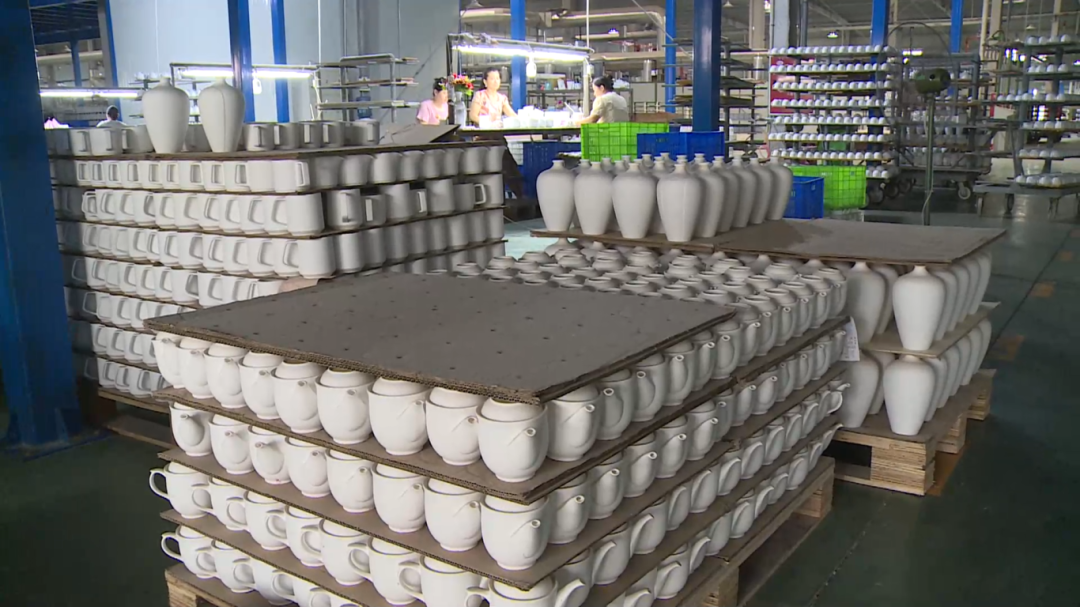
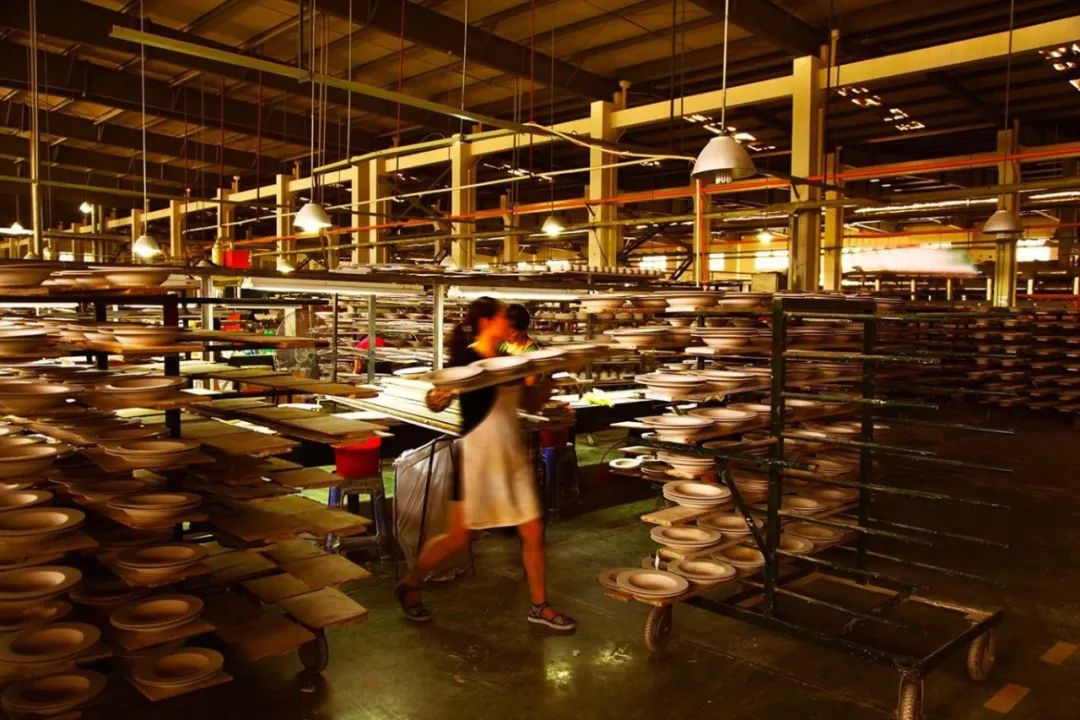
- Estructura de costos — Los precios de Taobao comienzan en $1.80 por pieza con ofertas de paquetes. Muy por debajo del comercio minorista importado. La fabricación asiática optimiza costos. Los diseños con ribete dorado añaden un 20-50% de precio premium. El retorno de inversión depende de la frecuencia de uso.
Comparada con la porcelana fina tradicional, la versión Vegana maneja mejor el calor. Pero el daño por ácido y los riesgos de colisión permanecen.
Piensa en ella como cristalería premium. Hermosa. Algo frágil. El mismo equilibrio.
Veredicto final: quién debería comprar y consejos prácticos
Compradores ideales: familias jóvenes que desean elegancia más ecología. Veganos. Entusiastas de mesas de estilo occidental.
Los básicos blanco puro funcionan excelente para hogares con niños. El valor a largo plazo es sólido: espera de 5 a 10 años de uso.
¿Presupuesto menor a $30? Abastécete de juegos de tazones de sopa.
Evítalo si: eres un usuario brusco. Amas los aderezos ácidos. Odias limpiar con prontitud.
El gres te ahorrará dolores de cabeza.
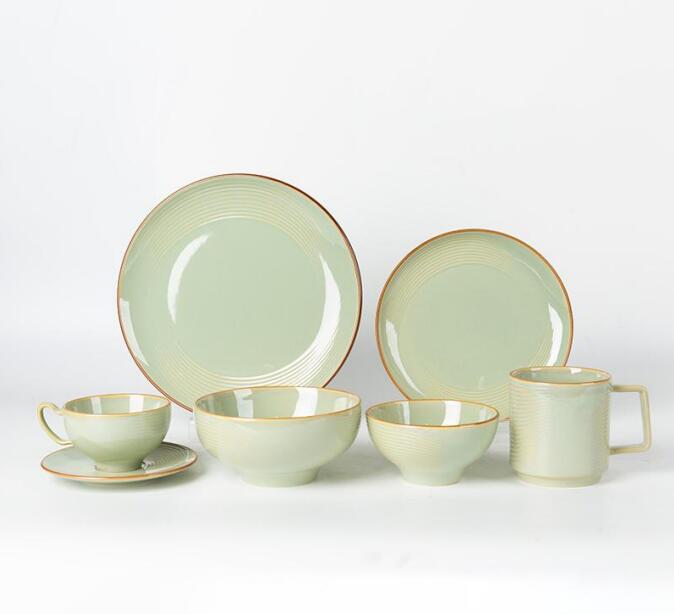
Consejos de mantenimiento:
- Enjuaga café y alimentos ácidos inmediatamente. Nunca calienta artículos congelados directamente en microondas.
- Lava a mano piezas con ribete dorado. Usa detergente suave para lavavajillas. Previene colisiones.
- Almacenamiento: coloca tela entre piezas apiladas. Previene astillado.
Predicción de tendencia: Para 2026, la porcelana ósea vegana dominará los mercados asiáticos.
Espera que Mikasa lance más diseños sin metal. La integración con electrodomésticos inteligentes, como hornos de vapor de alta temperatura, parece probable.
¿Te importa la sostenibilidad? Ahora es el momento de comprar.
Si tiene alguna pregunta o necesita servicios de vajilla personalizados de Gaochun Ceramics, por favor contáctenos a través de nuestro correo electrónico: [email protected]. ¡Recibirá la mejor atención!